Local guide
What to Do in Siem Reap Besides Angkor Wat, From a Local Guide
After a few days of temples most people are done with old stone. Here is where a local takes them next: the floating village, the mountain, and the ride out into the countryside that is the real Siem Reap.
Most people are done with temples by the third day. I see it on almost every trip. The first morning at Angkor Wat, everyone is wide awake and taking photos of every wall. By day three the same guests are walking past carvings they would have stopped for on day one. It has a name among guides. Temple fatigue.
So when someone asks what else there is to do in Siem Reap besides Angkor Wat, my answer starts with the thing not to do: another history lesson. In town there is the Angkor National Museum, which walks you through the same era you have just spent three days climbing around. Some people love it. But a guest with temple fatigue does not want a second round of the past. They want to see how the place lives now.
That is the whole idea behind everywhere I take them next.
First, what Siem Reap does not have
Siem Reap is not a city stacked with things to do. I would rather tell you that up front than have you find out on day four. The main list of things to do in Siem Reap leans on the temples for good reason. This is the other half of it.
There are a few activities. Go karting, a couple of museums, some parks. They exist and they are fine for an afternoon. But they are not as good as the same things in other countries, and I am not going to pretend otherwise. This is a developing country and it shows in that kind of thing. If a big museum, a theme park or a real night out is the trip you are after, come to Siem Reap for the temples and go somewhere else for that. I mean that in the nicest way.
What Siem Reap does have, and does better than almost anywhere, is a way of life sitting right next to the ruins. You just have to go and look at it. Everything below is that.
The floating village, life on the water
The floating village is the first place I take people once the temples are done, because it is nothing like the temples and nothing like home.
People live their whole lives on the Tonle Sap. The houses sit up on stilts or float outright, and the way they are built, the way a family gets food and supplies in and out from the outside, all of it runs differently from anything a visitor grew up with. That is the interesting part for most guests. Not a monument. People, living a normal day, in a way they have never seen.
You do not see the deepest part of it from a boat gliding past. The daily rhythm, the way a family cooks every meal, rice, fish, chicken, over a low open wood fire with the firewood stacked right beside the house, you only really catch that if you slow down, talk to people, or sit and eat with them. We do not run a local-meal version of the trip yet. It is something we want to add. For now the boat shows you the shape of the life. The rest is a conversation.
And the floating village is not the whole country in one stop. It is one particular way people live here, out on the water. I would not want you to leave thinking all of Cambodia looks like that. It does not.
If you want the full picture of which village, when to go and how to do it without the commission traps, I wrote a whole piece on visiting the floating village.
The mountain, for water and shade instead of stone
The other easy call after temple fatigue is up, not around. Phnom Kulen is the national park mountain about 48km north of town. It is where the Khmer Empire was actually declared back in 802, so there is history if you want it, but that is not why I send tired guests up there.
You go for the nature and the water. There are waterfalls you can stand right under, and in the wet season they come down hard enough that it stings your shoulders. After three days on hot open stone, a cool forest and a pool of water is the exact thing a group needs. It resets everyone.
I have written the practical version separately, the road, the falls by season, the picnic and what things cost up there, in the Phnom Kulen guide. If you want it as a day out with the logistics handled, that is the Kulen mountain tour.
The best thing, and it is not on any list, get out into the outskirts
If you take one thing from this, take this. The best of Siem Reap is not a place you can pin on a map. It is the countryside, and the further out you go, the more of it you get.
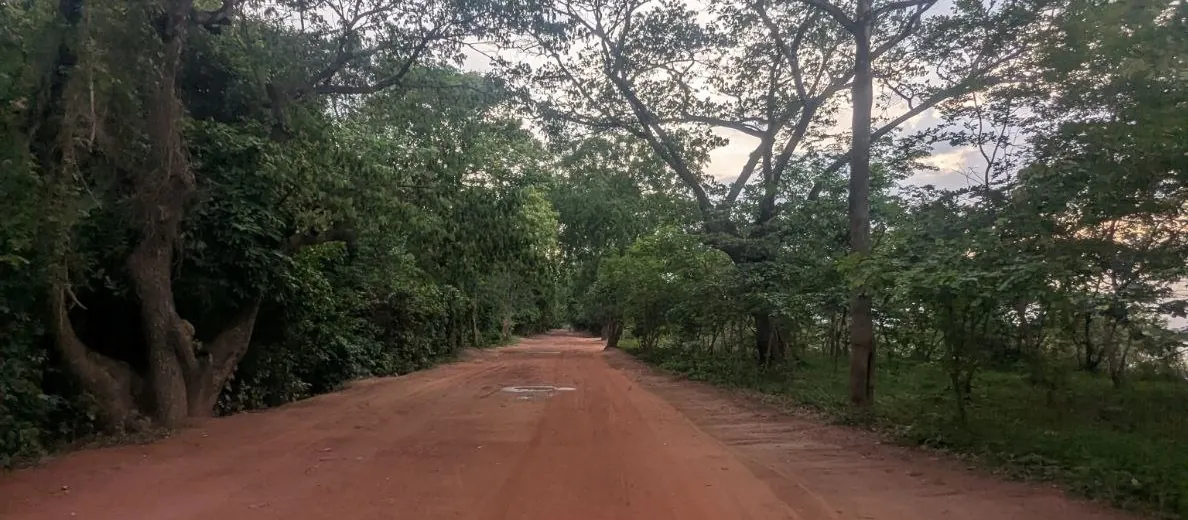
Here is what I do, as a local, on a day off. I head out toward Puok, west of town, and I keep going. The paved road runs out before long, because this is still a developing country, and the unpaved stretches are where it gets good. Small villages, one after another. There are a lot of them. Cows on the road. Children walking home from school. People out getting their food from the local shop, our version of a mom-and-pop store. Nobody is performing for anyone. It is just the day happening.
You have a couple of ways to do it. If you are comfortable on the roads, a bicycle or an electric bike will get you out there, and that is the clean legal way, because Siem Reap is the one province in the country where foreigners are not meant to rent a motorbike, even if the shops rent them anyway. If riding through Cambodian traffic is not your idea of a good time, this is exactly the kind of day a guide is for. Someone drives, you watch it all go past, and when something catches your eye you can stop, get down and talk to the people who live there. That last part is the whole point, and it is the thing you cannot do from behind glass.
When you are ready to do it that way, that is what we do.
And when you are back in town, eat
One more, closer to home. Eating here is a thing to do in its own right, not just fuel between temples.
I do not mean Pub Street. I mean the markets and the morning food, the porridge and the noodle soup that the city runs on. It sits inside town, so it is the easy one to fit around everything else. I put where I actually go and what I order in where locals eat in Siem Reap, and if you want it walked through as a tour, that is the Siem Reap food tour.
So, besides the temples?
The floating village for a life you have never seen, the mountain for water and shade, the countryside for the best of it, and the markets for how we eat. That is the second half of a good Siem Reap trip, and for a lot of my guests it is the half they end up talking about.
The temples get you here. What you do once you are tired of them is the part I can help with. When you want a hand building those days, come and meet your guide, and if you are still working out how long to give the whole thing, here is how many days Siem Reap really needs.