Local guide
Angkor Wat Tickets: The Complete 2026 Guide
Current Angkor pass prices, the four official places to buy, and the ticket mistakes I watch visitors make every week. Written by a local guide.
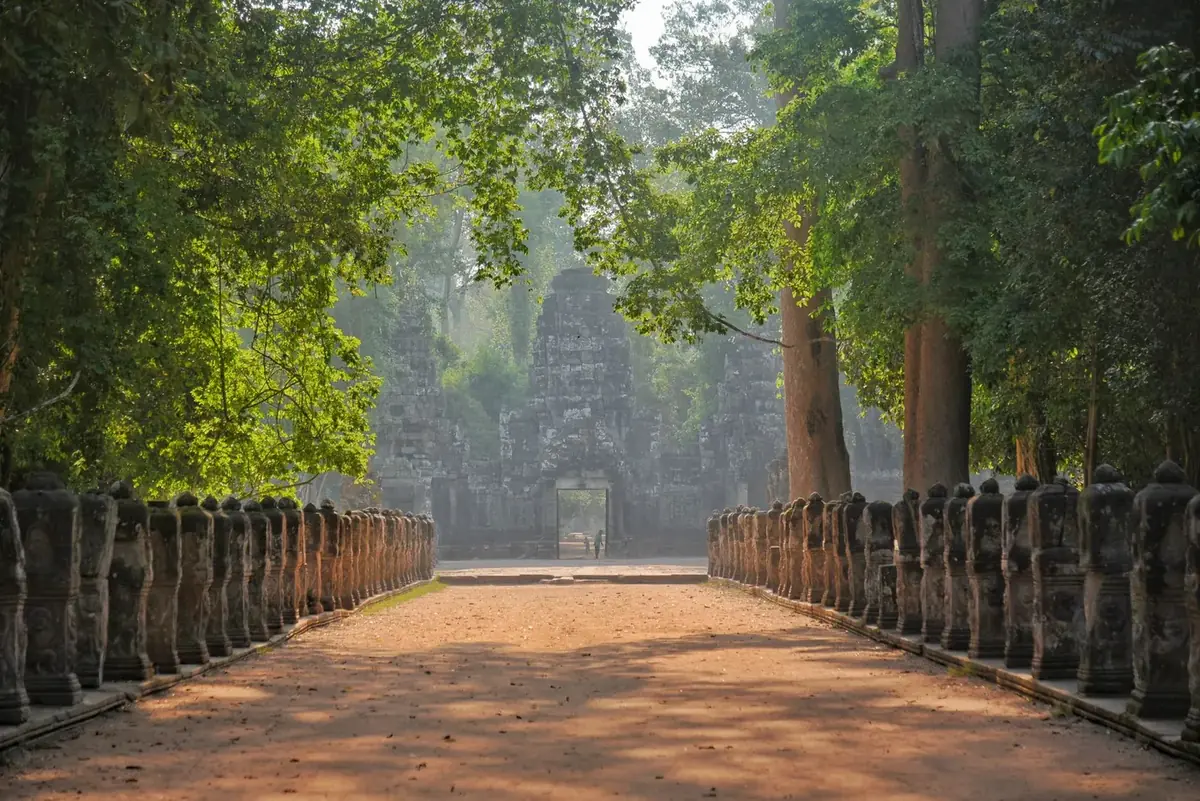
An Angkor Wat ticket costs $37 for one day, $62 for three days, or $72 for seven, and the only seller is Angkor Enterprise: their website, the Angkor-Pass app, a self-service kiosk, or the ticket office on Road 60. That is the whole answer. The rest of this guide is the detail that saves you a queue and one or two mistakes I watch visitors make every week.
Quick facts, updated July 2026:
- 1 day $37, 3 days $62, 7 days $72. Same prices since 2019.
- Kids under 12 enter free. Carry their passport as proof of age.
- Buy at ticket.angkorenterprise.gov.kh, on the Angkor-Pass app, at a kiosk (Heritage Walk mall or the Angkor Wat west entrance), or at the ticket office.
- Phnom Kulen and Koh Ker are separate tickets. The Angkor pass does not cover them.
If you are still deciding how the temples fit into your trip, start with my guide to the things to do in Siem Reap and come back here when the dates are set. For which temples are worth your time and the order to see them, there is our full Angkor temples guide.
Angkor Wat ticket prices in 2026
Three passes: $37, $62, $72. The government sets the price, it is the same for everyone, and there are no discounts, so anyone offering one is not selling a real ticket.
- 1-day pass, $37. Enough for the famous circuit if you start early. You will be tired by 2pm. Most people are.
- 3-day pass, $62. The one I recommend most. The three days do not have to be back to back. The pass expires 7 days after you buy it, which still leaves room for a rest day or a floating village day in between.
- 7-day pass, $72. For photographers and people who fall in love with the quiet corners. You get a month to use the seven days.
The 3-day pass is the best value on paper, and it usually is in practice too. But I will say what the sales pages will not: temples are heavy. By the third straight day some guests are walking past a thousand-year-old carving thinking about their hotel pool. Spread the days out over the 7-day validity window.
Where to buy, and why I tell guests to skip the counter
Buy online or at a kiosk. The counter works, but it is the slow way.
There are exactly four official channels, and no unofficial ones. Nobody else sells Angkor tickets, there is no fake-ticket problem here, so you can relax about that part.
- The website, ticket.angkorenterprise.gov.kh. QR code on your phone, done.
- The Angkor-Pass app, the official one from the Ministry of Economy and Finance. Same idea.
- The kiosks, at Heritage Walk mall in town (basement floor) and at the Angkor Wat west entrance, roughly 8am to 9pm. Easy, quiet, cards and QR payments accepted.
- The ticket office on Road 60, about 4km from town. It has peak hours and long queues, which is why it is my last choice. If you do end up there, it takes about ten minutes: they take your photo with a webcam at the counter, you pay, you leave with the pass. Most major cards work, and so does US dollar or riel cash.
One rule worth knowing: a ticket bought after 4:45pm is valid for the next day, and it also gets you into the park that same evening for sunset. Free evening, full day tomorrow. The catch is that the counter closes at 5pm, which leaves you a 15-minute window there. So do the practical version: buy your tomorrow ticket at the Heritage Walk kiosk or on the app in the evening, then go catch the sunset.
Checkpoints, and what happens with the pass all day
Officials glance at your pass at the temple entrances, and there are fixed checkpoints along the park roads. None of this is serious. Your driver knows where every checkpoint sits, the stop takes about a minute, and then you are moving again. Keep the pass or the QR code reachable, not buried in a bag under the water bottles.
On our tours we usually just sort the tickets for guests, or guests buy on the app before the first morning. Either way it stops being a thing you think about.
Mistakes that cost money
Every one of these is something I have actually seen, not a theory.
- Buying an afternoon ticket for the same day. The pass expires at the end of its day, so a 3pm purchase gives you three hours. Buy after 4:45pm for tomorrow instead and get the free sunset on top.
- Buying the 3-day pass and forcing three straight days. The pass expires 7 days after purchase, which gives you room to spread the days out. Use it. Fatigue is the most common thing guests underestimate, more than heat, more than the walking.
- Relying on ATMs. Cambodian ATMs commonly charge foreign cards somewhere between $4 and $8 per withdrawal, it varies by bank and changes without notice. Carry US dollars, they are accepted everywhere here, and other currencies exchange easily at fair rates. If you like paying by phone, the Bakong Tourists app from the National Bank of Cambodia lets you link a foreign Visa or Mastercard and pay by QR the way locals do, for a small fee.
- Leaving the park at 4pm. Most temples close around 5:30 to 6pm, and the last stretch of the afternoon is the quietest the park gets. The designated sunset spots like Phnom Bakheng and Pre Rup stay open later, to around 7pm. Arrive late afternoon, stay until close, and you will get the temples in a mood most visitors never see. Hours shift by government notice, so treat the times as close, not exact.
The ticket is only half the planning. The other half is transport and timing, and I wrote that up in how to visit Angkor Wat from Siem Reap.
If you want it all handled
This is the part of the trip we do every day. On a private Angkor Wat tour your guide sorts the ticket and plans the day around the crowds, at one flat price for your whole group. You pay your guide and driver directly, and 5% of the booking is set aside for village schools and clean water.